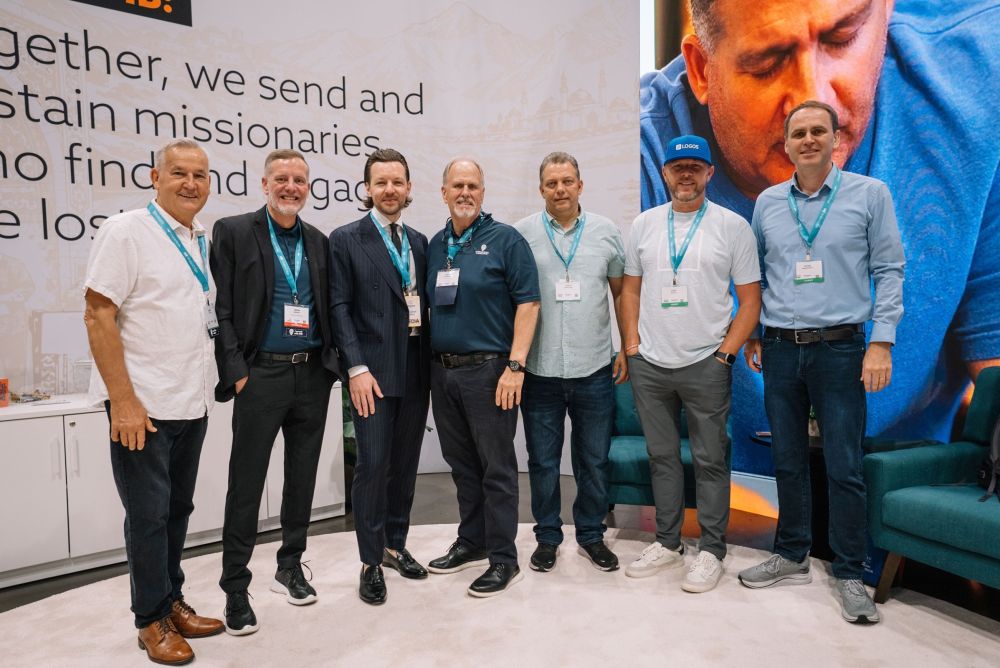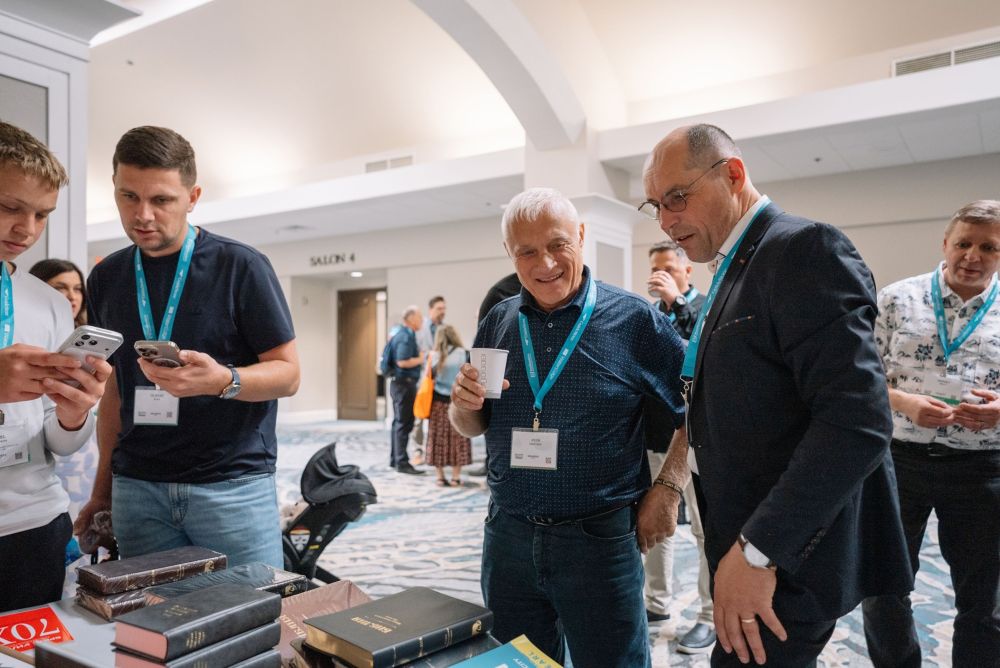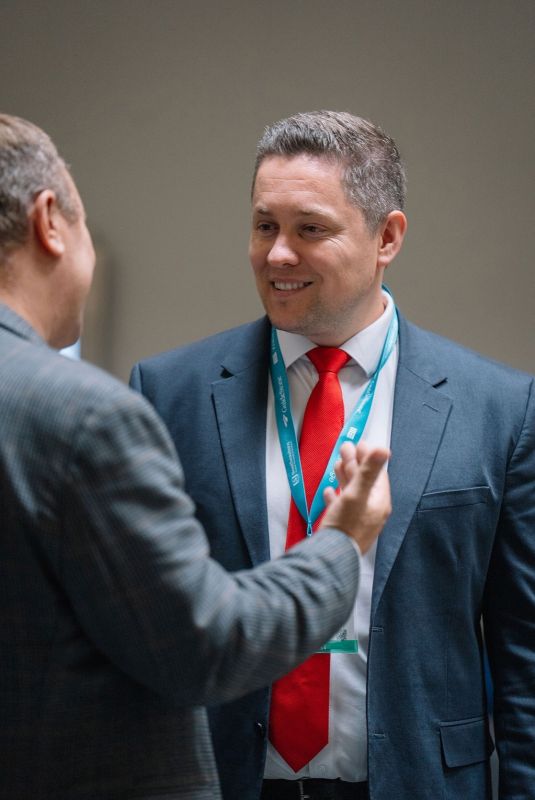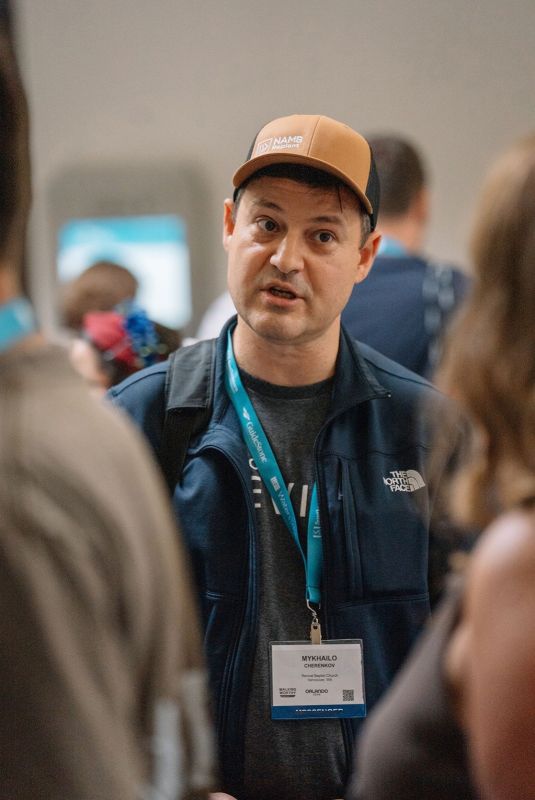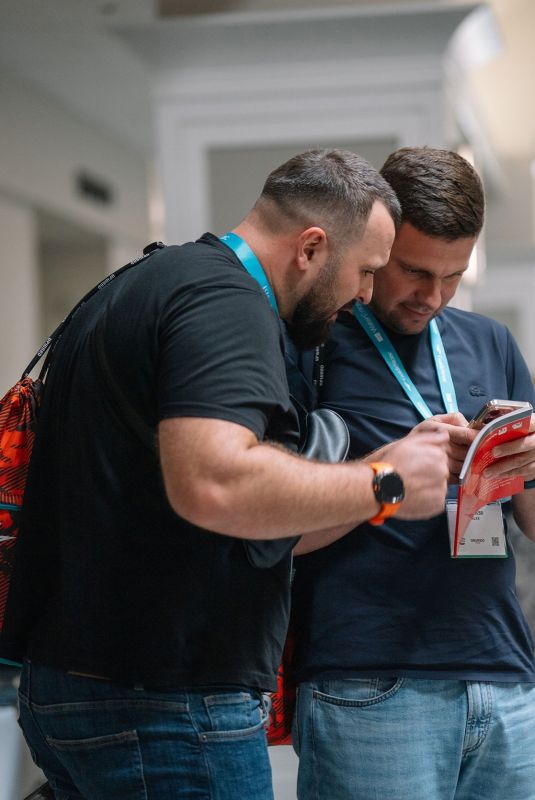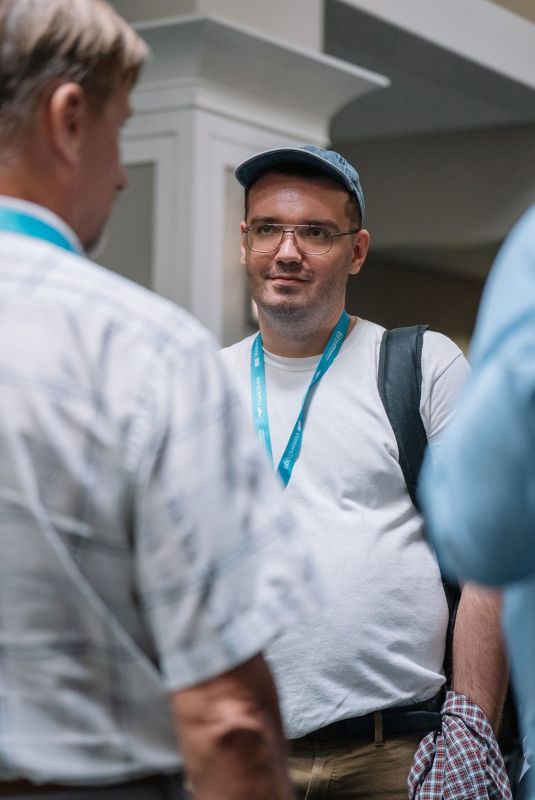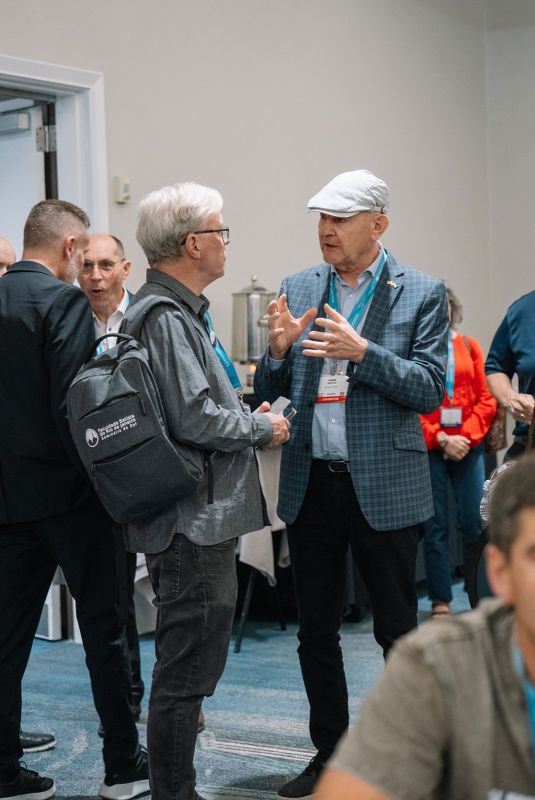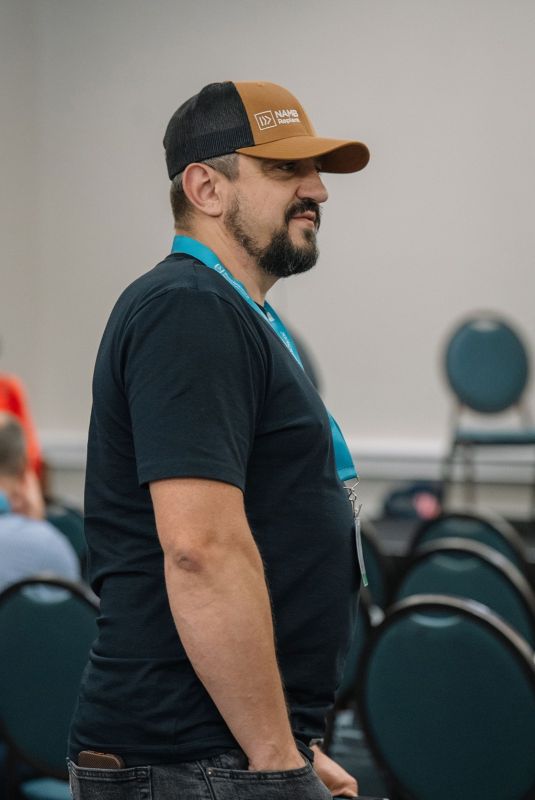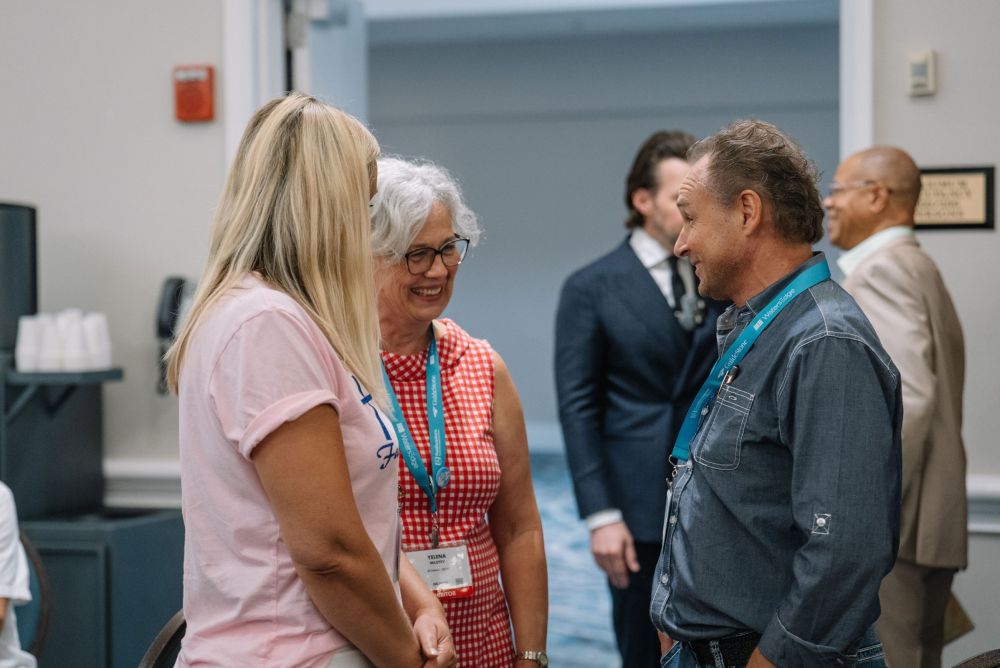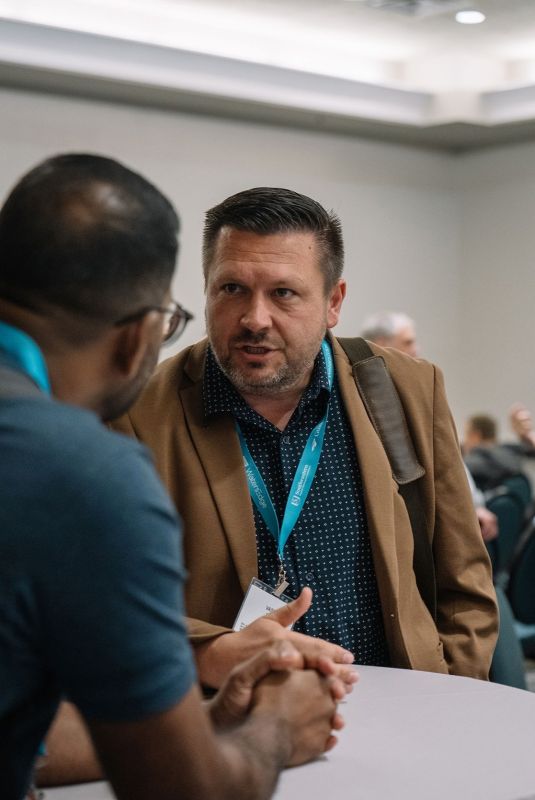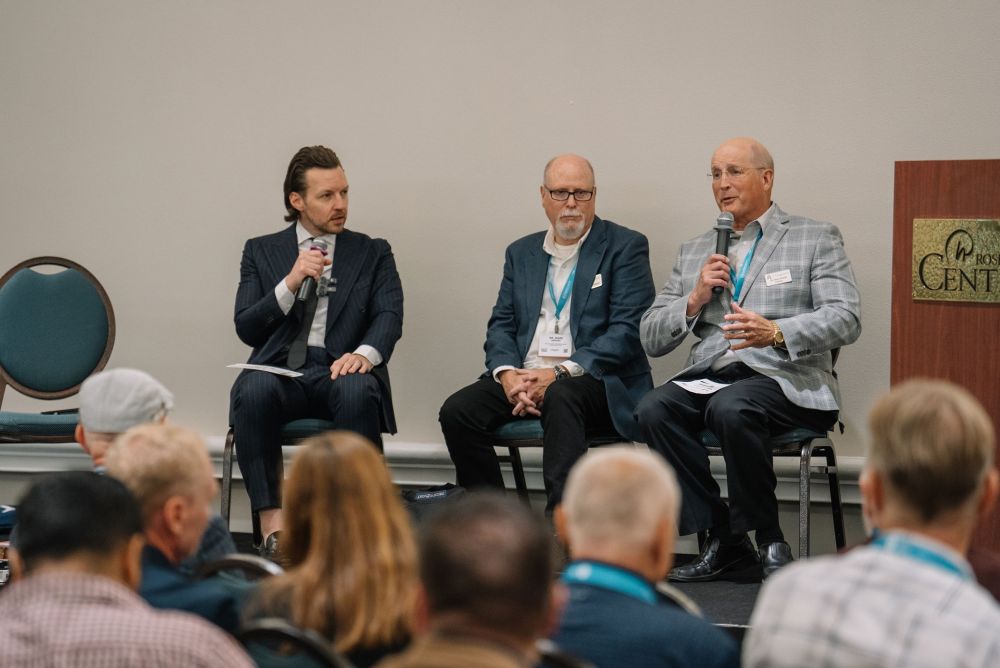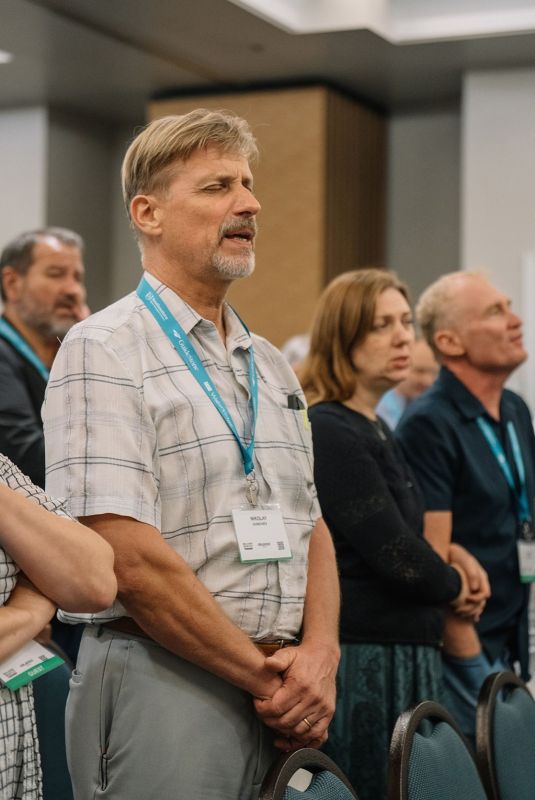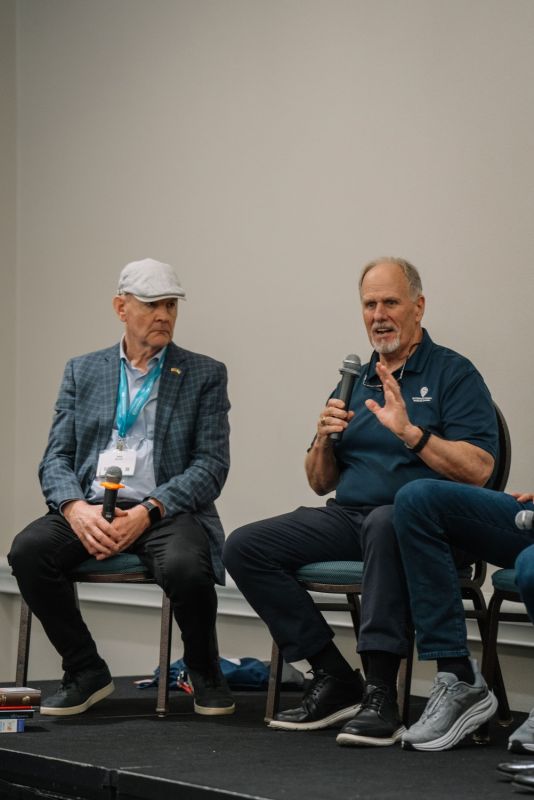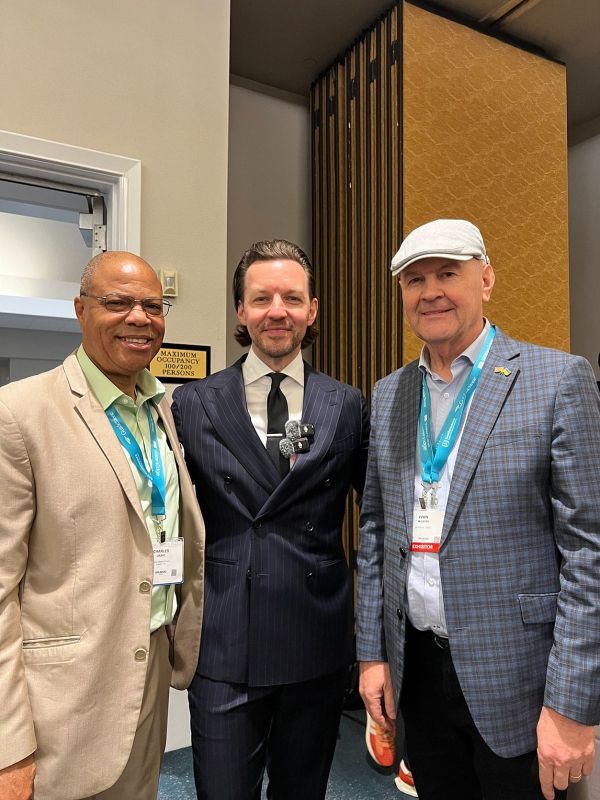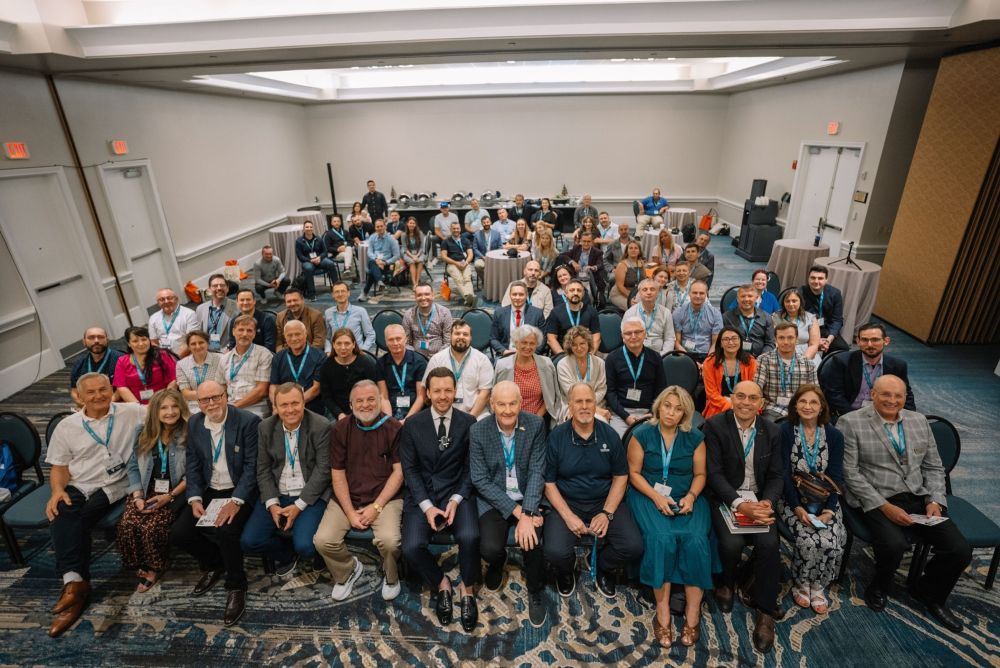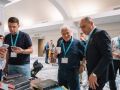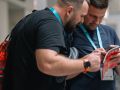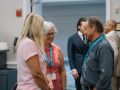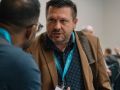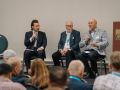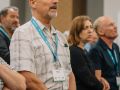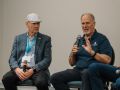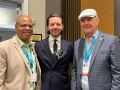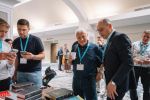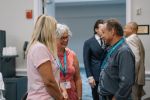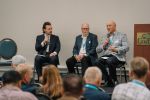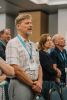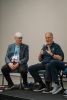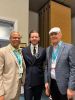
From June 7–10, I had the privilege of attending the 2026 Southern Baptist Convention Annual Meeting & Pastors’ Conference in Orlando, Florida. This year’s gathering was one of the largest in recent memory, bringing together 21,144 attendees, including 11,692 messengers, 5,785 guests, and 3,667 exhibitors. It was a powerful reminder of what can happen when thousands of churches work together to fulfill the Great Commission.
For many Slavic believers, the Southern Baptist Convention (SBC) is still somewhat unfamiliar. Yet the SBC has played an important role in my own story. When my family immigrated to the United States from the former Soviet Union in 1992, after experiencing religious persecution, we were immediately welcomed and cared for by a Southern Baptist church. Years later, after spending a decade serving in a Russian-speaking church in Southern California, we planted Forward Church and went through the entire church planting process with Send Network and the North American Mission Board (NAMB). Today, our church, Forward Church Irvine, located in Southern California, participates at the local, state, and national SBC levels.
The Southern Baptist Convention is the largest Protestant denomination in the United States, consisting of nearly 50,000 autonomous churches and more than 14 million members. Every Sunday, Southern Baptist churches worship in over 100 languages. What makes the SBC unique is that it is not governed from the top down. Every local church remains fully autonomous and self-governing. In fact, Southern Baptists often say, “The headquarters of the SBC is the local church.” Churches voluntarily cooperate together for missions, church planting, theological education, disaster relief, and evangelism while maintaining their independence.
One of the most important ministries within the SBC is the North American Mission Board (NAMB) and its church planting arm, Send Network. Since 2010, Southern Baptists have planted more than 12,000 new churches across North America, and approximately 89% of those churches are still thriving after four years. More than half of all new church plants are ethnic or multiethnic congregations. Send Network exists to assess, train, coach, support, and resource church planters. Its vision is not simply to start churches but to multiply disciples and plant churches that will plant more churches. As we often say, denominations do not plant churches—churches plant churches.
The SBC’s international mission efforts are carried out through the International Mission Board (IMB). Today, Southern Baptists support approximately 3,500 missionaries serving among 247 people groups and strategic locations around the world. Through the cooperative support of thousands of churches, the Gospel is being proclaimed in some of the hardest-to-reach places on earth. This is one of the reasons the SBC is often described as the largest cooperative missionary movement in Protestant history.
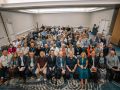
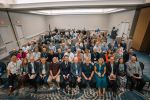
One of the highlights of the week for me was hosting the Slavic Network Fellowship Dinner. This year, we welcomed the largest number of Slavic pastors and ministry leaders in the history of SBC participation. Over the last several years, this gathering has grown significantly as more Slavic churches and leaders become engaged in church planting, missions, and leadership development. Our vision remains clear: reaching the nations through churches planting churches, sending missionaries, developing leaders, and fulfilling the Great Commission. It was encouraging to see brothers and sisters from across the country united around that mission.
What encouraged me most was seeing that the Slavic church is no longer simply observing what God is doing through the SBC—we are becoming active participants in it. More Slavic pastors are planting churches, serving as missionaries, receiving training, mentoring younger leaders, and helping shape the future of gospel ministry in North America and beyond. The opportunities available today for church planting, leadership development, missionary sending, and partnership are greater than at any point in our history. My prayer is that the next generation of Slavic churches will not simply inherit a legacy of faithfulness but will help lead a new season of gospel expansion both here in America and around the world.
Another important aspect of the SBC Annual Meeting is the adoption of resolutions. In Baptist polity, resolutions are not binding on churches; rather, they express the convictions and collective voice of the messengers gathered at the Convention. One of the notable resolutions passed this year recognized the upcoming 250th anniversary of the United States. The resolution gave thanks to God for His providential blessings on America, called believers to pray for national revival, and honored the contribution of Baptist leaders such as Isaac Backus and John Leland, whose advocacy for religious liberty helped influence the adoption of the First Amendment. This theme was also highlighted during our Slavic Network gathering, where we prayed together for God’s blessing on America and thanked Him for the freedoms we enjoy in the country we now call home.
Personally, my experience with the SBC has been overwhelmingly positive at every level—local, state, and national. Through these relationships, I have received mentorship, encouragement, coaching, and friendship from faithful brothers who have invested greatly in my life and ministry. Yet one truth stood out again during this year’s Convention: the real heroes are faithful local church pastors who week after week preach God’s Word, shepherd God’s people, and serve Christ where He has called them.
If you are interested in planting a church, sending missionaries, learning more about the Southern Baptist Convention, or exploring how your church can become involved in SBC ministry, I would be glad to connect with you.
The opportunities before the Slavic church today are extraordinary. My prayer is that we would steward them well for the glory of God and the advancement of the Gospel among all nations.
To watch a video about the Southern Baptist Convention, click here.
To listen to the audio version of this video, click here.
To connect with Pastor Bogdan Kipko, email him at
Pastor Bogdan Kipko