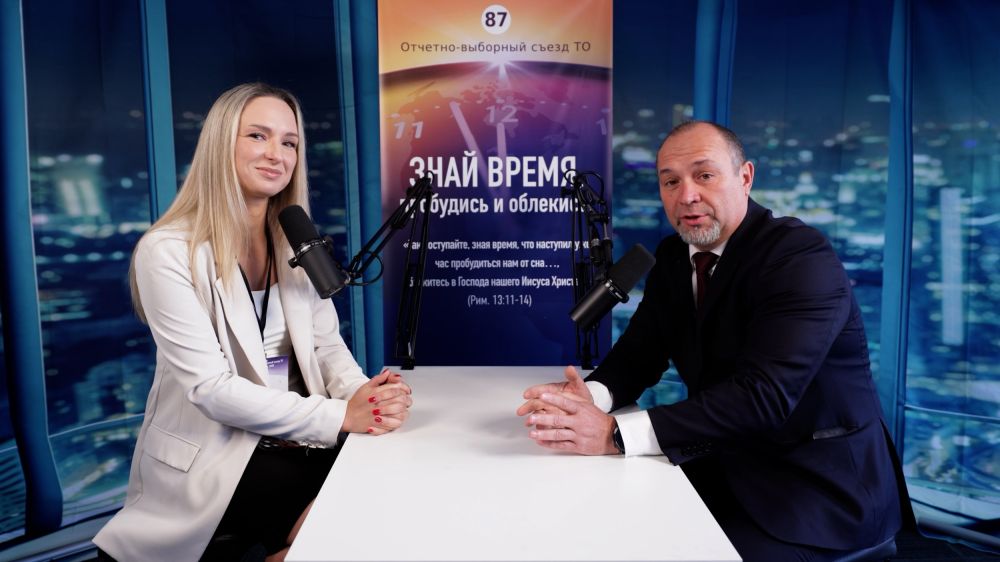
In today’s world, information spreads at incredible speed, and social media has become the primary source of news and opinions for millions of people. In this environment, internet evangelism is especially relevant: every believer has the opportunity not only to consume content but also to create it—shaping public perception and sharing the message of the Gospel.
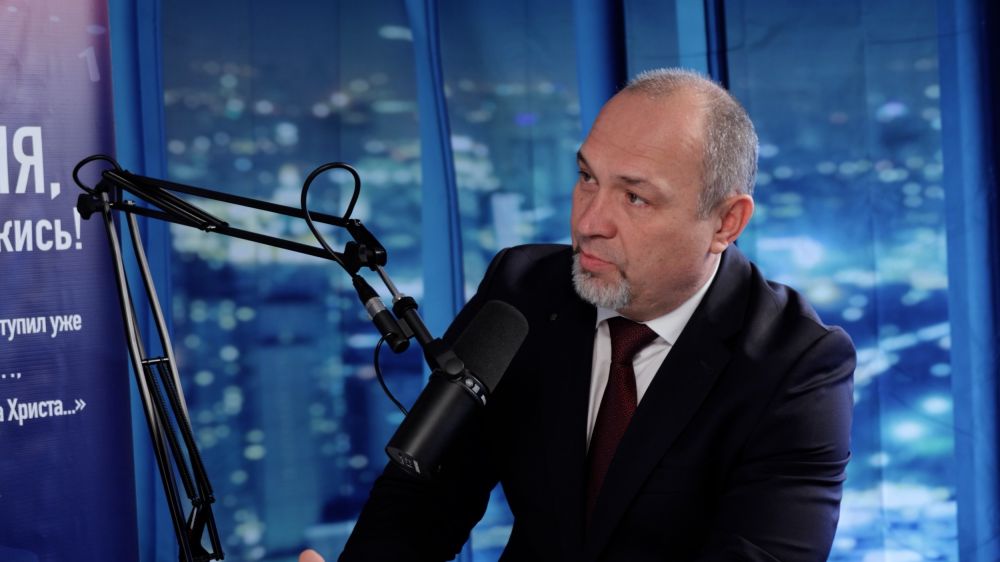
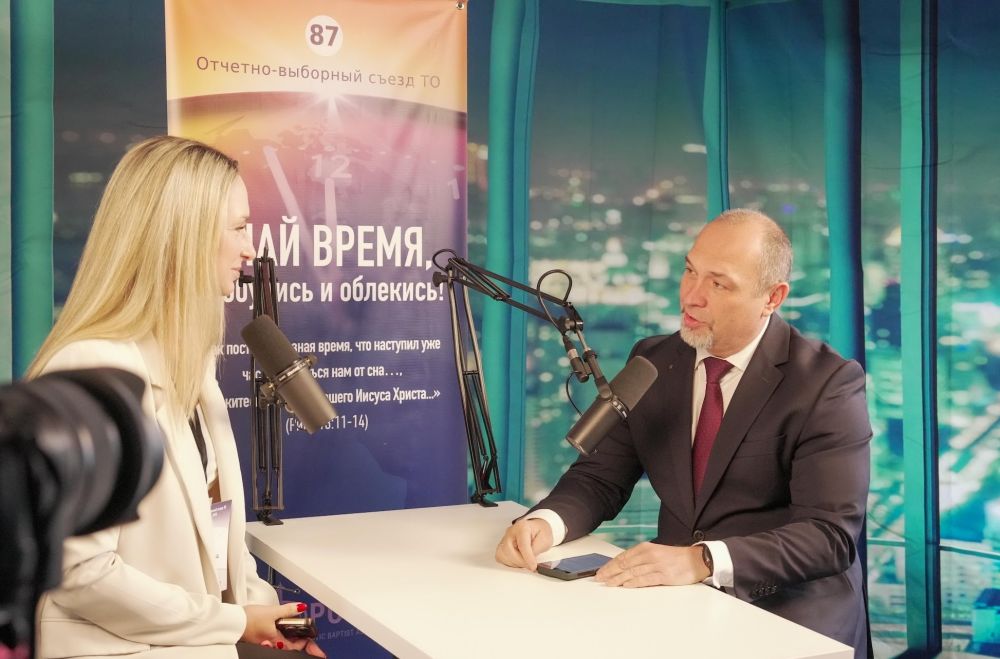
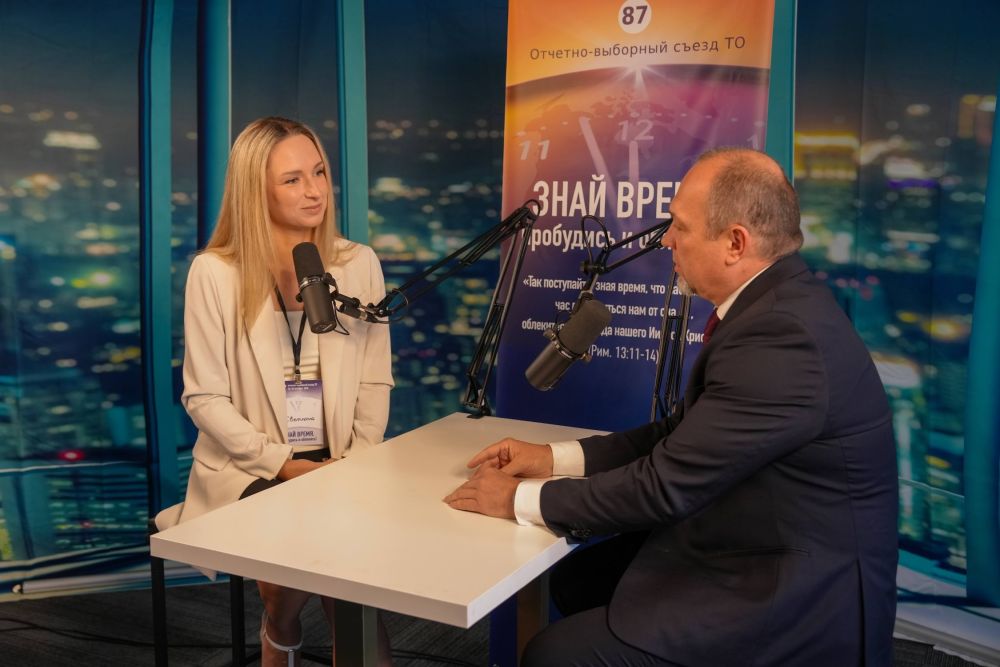
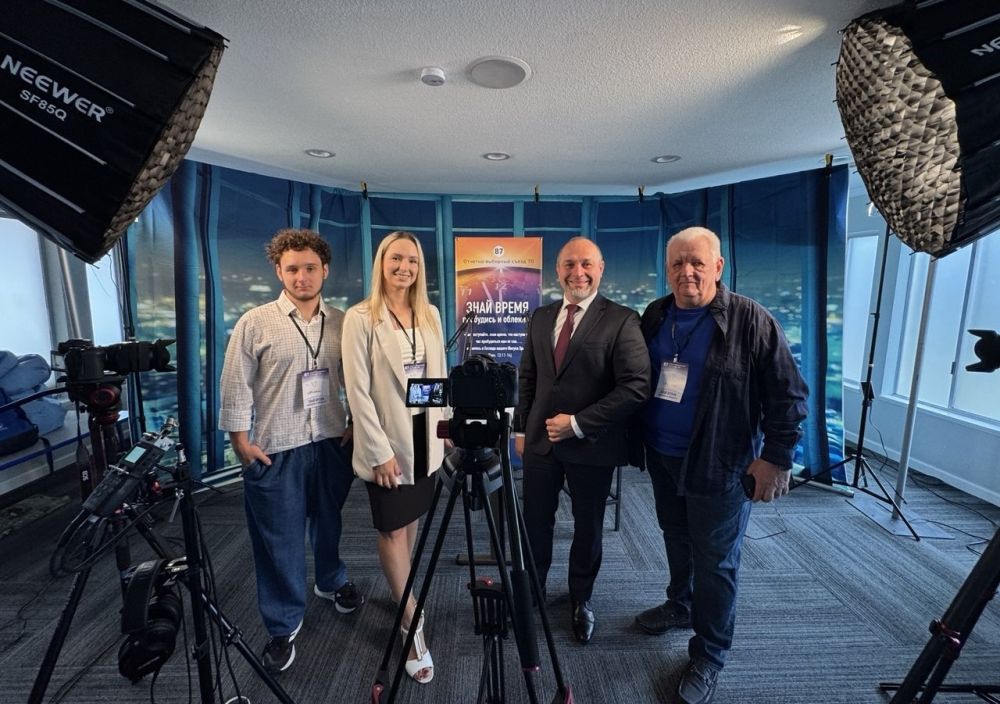
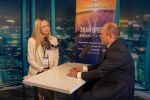
Recently, Svetlana Iotko, correspondent of the Pacific Union churches’ information department, spoke with Bishop Mikhail Baloga, pastor of a Bible church in Warsaw and an active evangelist, about the development of information technologies in the church. We present to your attention excerpts from this interview.
S.I.: Tell us, please, about the projects you are currently working on.
M.B.: Greetings. One of the most interesting projects relates to the information field. We are working to increase the influence of the Gospel in the media space. We offer a series of courses that help people not only consume information but also create content that shapes the thinking of thousands of others.
We are also involved in internet evangelism and in supporting people who seek psychological help by offering hope in Christ and quality biblical counseling. Another project is “Smart Church,” which helps ministers become more effective in their work with people. Many modern tools are neutral in themselves, whether they serve good or evil depends on what you put into them.
S.I.: How important is it for Christians to use social media?
M.B.: I believe it is more important than ever. Today, influence through social media and modern technologies is accessible to everyone. You don’t need to complete special training to impact online communities. Every believer should use their media platforms to share the Gospel. In the age of artificial intelligence, pastors can be replaced by bloggers and digital avatars, which makes it even more important to clearly convey biblical truth to our audience.
S.I.: When did you first realize the importance of informational influence?
M.B.: Back in 2001. We started with a newspaper, and in 2010—an information ministry. Now we understand that to be effective, we need to hire professionals. We also use artificial intelligence tools to improve our work and increase productivity.
S.I.: What are “bot farms”?
M.B.: A bot farm is a network of automated devices or programs (bots) that are centrally managed to mass-produce and distribute content online. We create bot farms specifically for generating Christian content. One device can have up to 10,000 accounts. This allows us to fill the information field with millions of videos about the Gospel, hope, faith, and life. Internet evangelism helps spread positive content on a large scale, countering misinformation.
S.I.: Tell us more about “Smart Church.”
M.B.: Smart Church is a concept and a set of technologies that help churches effectively manage ministry, communication, and interaction with members using digital tools. Essentially, it is an “intelligent church,” where technology helps pastors, ministers, and volunteers work more efficiently and expand the church’s influence in the community. These tools help the church serve people, including through social networks. Ministers are often overloaded with routine tasks, smart tools help remind, search information, and respond to people’s needs more quickly. But they can only be used correctly by those who understand that the tools themselves have no soul—they are neutral. What you put into them is what you will get out of them.
S.I.: Is it realistic to win an information war?
M.B.: As Christians, we have already won in Christ, but not all believers fully understand this. The information war is stronger than the physical one—it shapes the thinking of entire nations. For example, the influence of Russian propaganda in Poland changes the worldview of millions of people. It is the substitution of concepts: calling black white and white - black—and people believe it. I believe Christians must use modern technologies to spread truth and hope in the information field—only then can we win the information war.
S.I.: What practical steps can every Christian take for internet evangelism?
M.B.: We need to be bolder and simpler. Everyone has social media accounts—use them to influence others. You can create multiple accounts to spread the Gospel and create an effect of mass presence. For example, if 150 churches each created 10 accounts, they could reach tens of thousands of people. Don’t be afraid to be active—participate in the information battle, defend biblical values of morality and honor, spread goodness, and share the Gospel.
S.I.: How can we protect ourselves and the younger generation from the negative influence of social media?
M.B.: Prohibitions won’t help. Sooner or later a person will encounter information, so we need to teach them to recognize what is right and what is wrong. Sometimes it is necessary to block accounts that spread lies and submit mass complaints to protect others. Explain clearly what is good and what is bad—clarity and transparency are essential. Every person can contribute to internet evangelism. God counts on us. Even one person can influence entire cities. By developing our abilities and using social media as a tool, we can be very effective. I believe God rejoices when we use all the modern possibilities, He has given us to expand His Kingdom. Blessings!
Full version of the interview (in Russian) https://youtu.be/gzsk9d1S6sM?si=8_D-JzZ6GAvn6cr1