For many centuries the Gypsy people lived in Central Asia, remaining outside of Christian fellowship: no one preached the Gospel to them, and little concern was shown for the salvation of their souls. Most of them practiced a form of folk Islam mixed with occult rituals and witchcraft. And then the time came when God miraculously touched His children in different parts of Asia, and they went to this humiliated and disadvantaged people, bringing them the Good News of Christ.
When a year ago God prompted us to support ministry among the Gypsies in Bukhara, we thought it was the only place where such ministry had begun. But it turned out that it had started even earlier in several locations; in some of them there are already small groups of believers, and in one place there is even a pastor. Those who came to faith in Christ and were baptized were mostly women, and one of them has already gone to the Lord as His child.
According to a strictly followed Gypsy custom, unrelated men and women cannot hold meetings together. Women will never sit together with men who are not their close relatives. Men do the same. Breaking this custom is a disgrace for both women and men and can lead to very tragic consequences. Therefore, meetings are held in separate groups. The form of worship services familiar to us is impossible among this people.
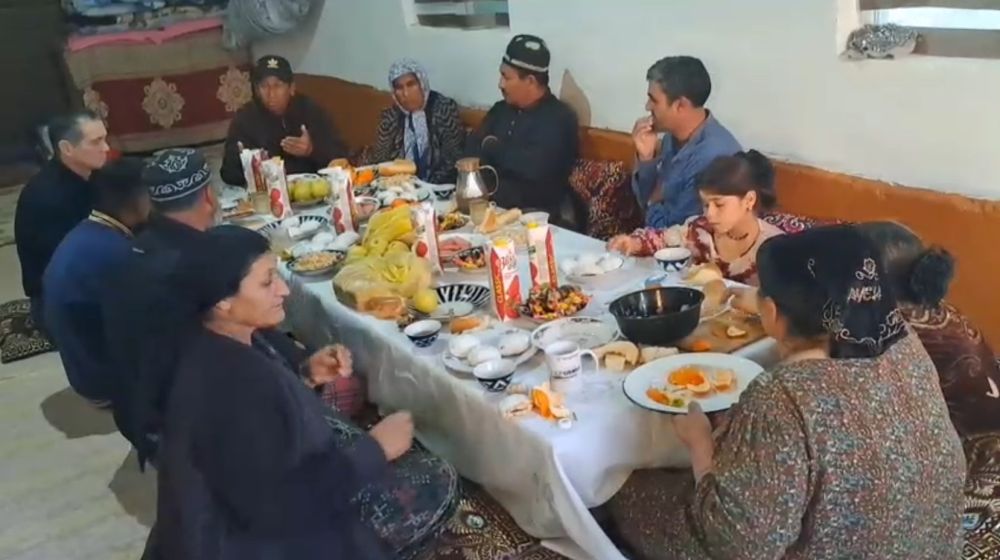
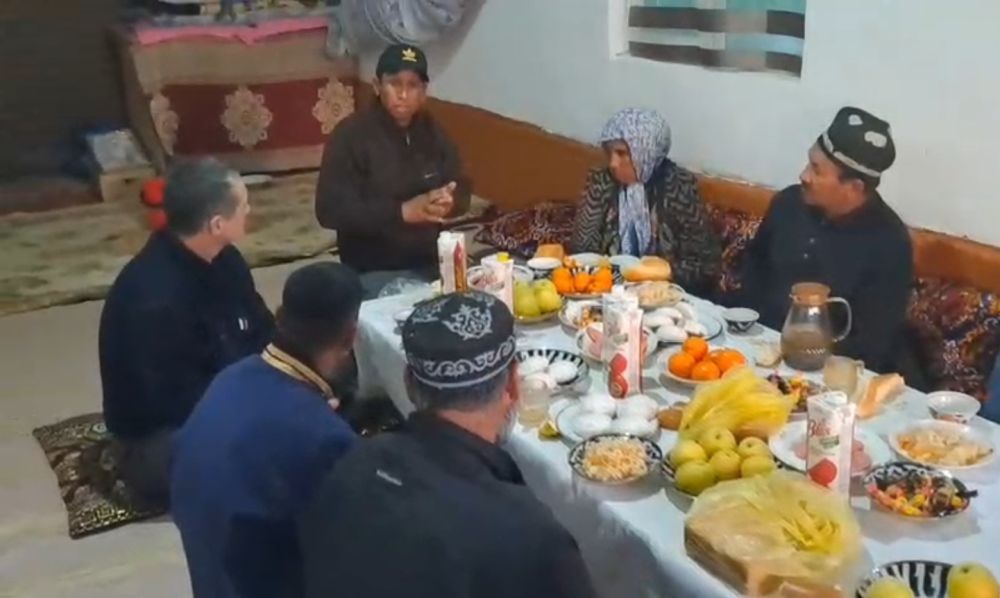
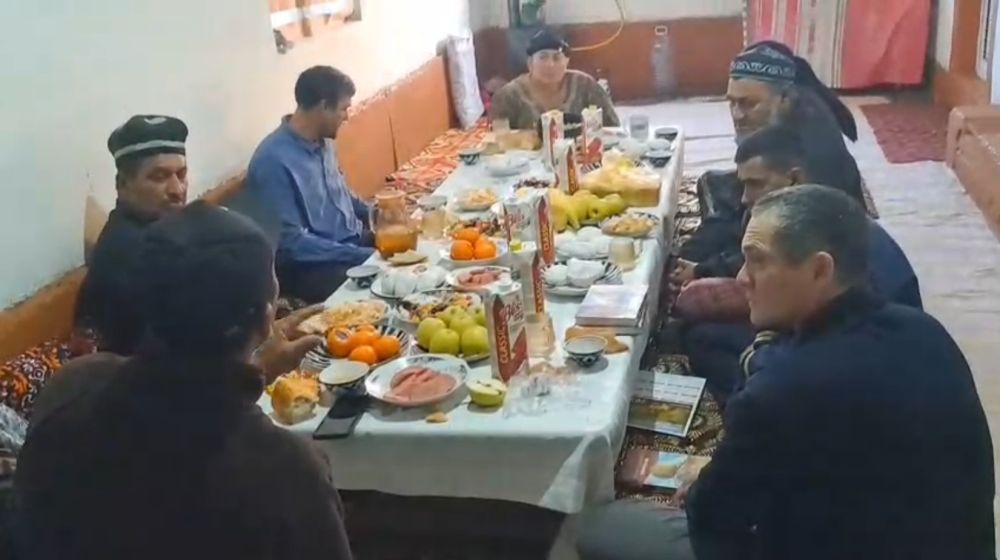
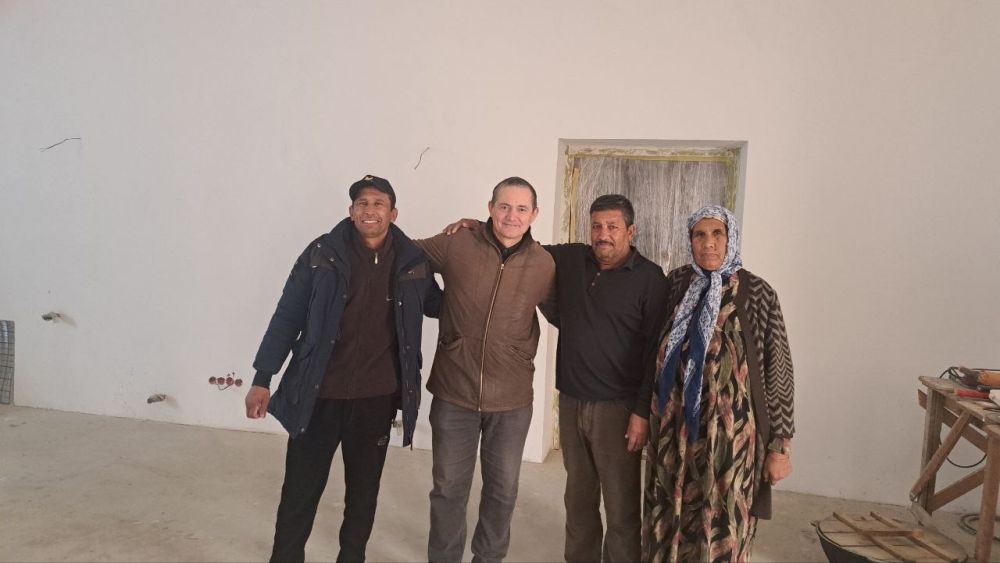
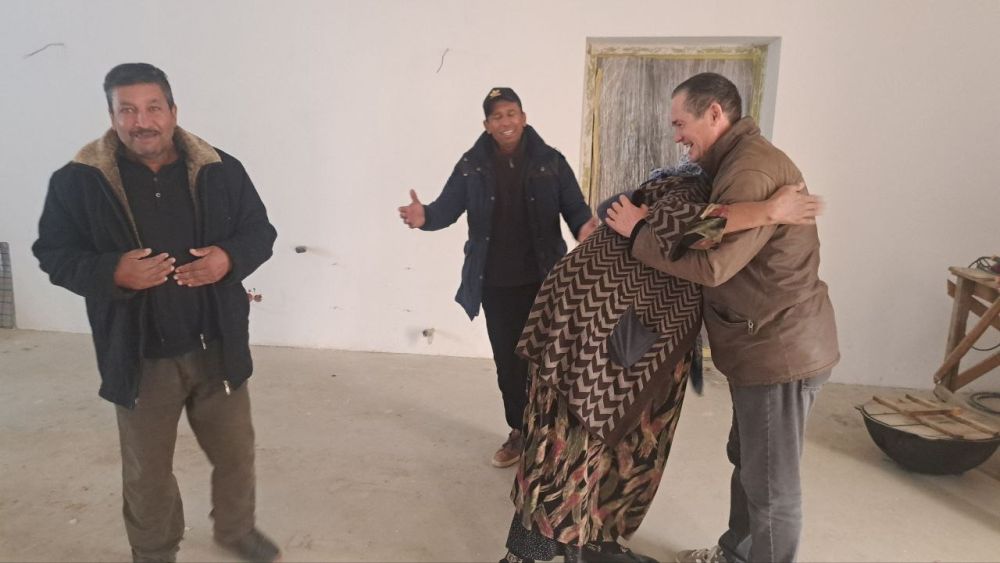
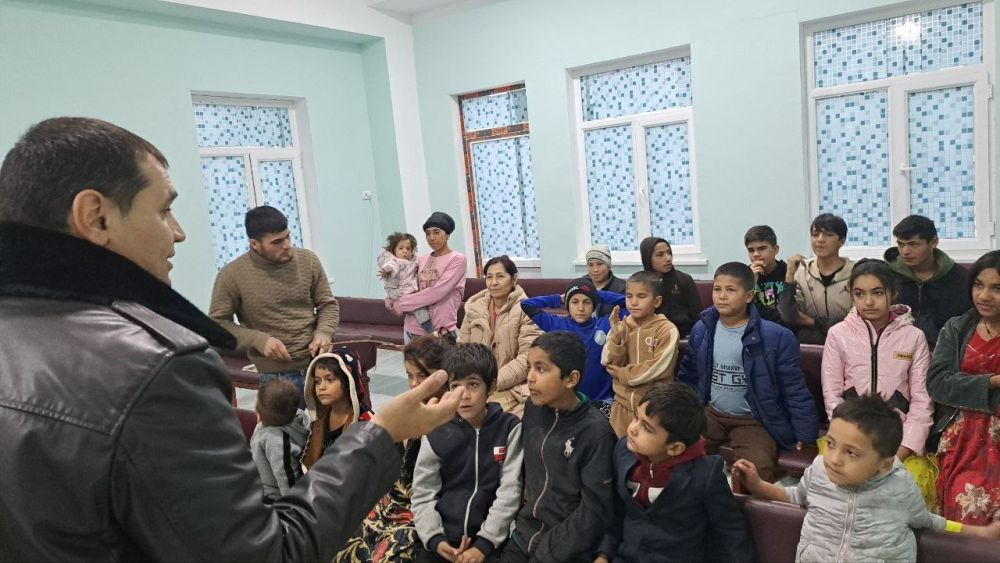
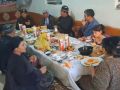
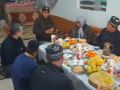
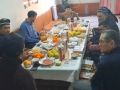
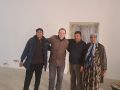
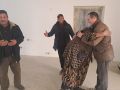
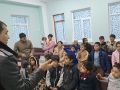
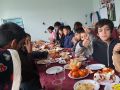
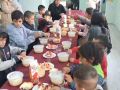
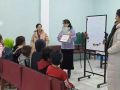
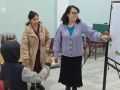
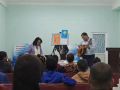
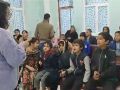
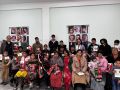
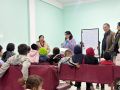
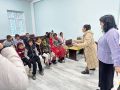
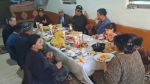
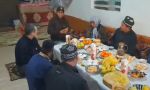
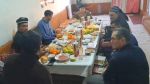
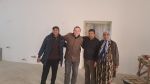
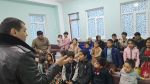
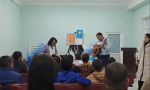
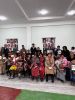
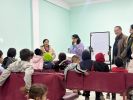
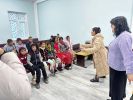
That is why it was so surprising to see a picture of a Gypsy group gathered in the house of Atabek, the husband of Aziza, about whom we have already written much earlier (see the list of publications on this page). At the invitation of Pastor Shukhrat, a Gypsy pastor arrived in Bukhara with his wife and two other members of their small church from Zaamin. And Atabek invited his male relatives. The conversation around the dastarkhan* was very lively. The visiting pastor, speaking in the Mugat language, told those present the story of humanity’s fall into sin and God’s plan of redemption through the sacrifice of Jesus Christ, the Son of God, giving many examples from the experience of Mugat believers who follow Christ. Sister Saida sang and testified about her repentance. Brother Takhir, her husband, spoke about their way of life before repentance and after. Children from Aziza’s and Atabek’s extended family sang many songs that they had learned in classes with Sister Vera.
Many questions were asked of the pastor: why do Christians call Christ the Son of God if, according to the Qur’an, He is a Prophet? How does the forgiveness of sins take place, and through what is a person saved and receives the hope of eternal life with God? And the pastor, citing many passages from the Bible, patiently answered and explained to those present the foundations of salvation.
Please pray that this sowing will produce an abundant harvest of faith among the Gypsies!
This was a Christmas meeting for adults, and before that there were classes and a Christmas celebration for Gypsy children as well. Here is what Sister Vera shares:
“It suddenly became very cold. Snow fell. And we were worried that the children would not come. But neither the cold nor the snow stopped them.
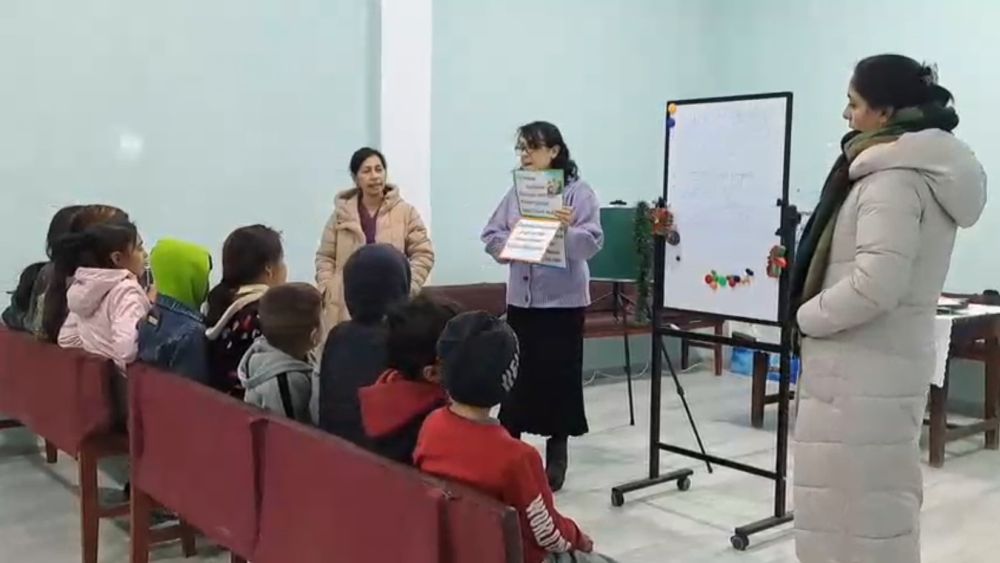
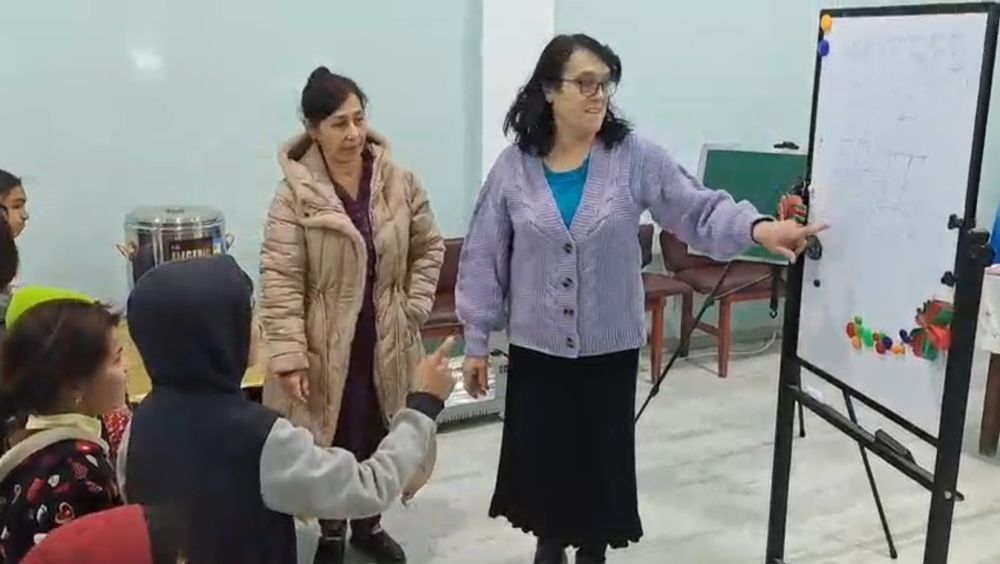
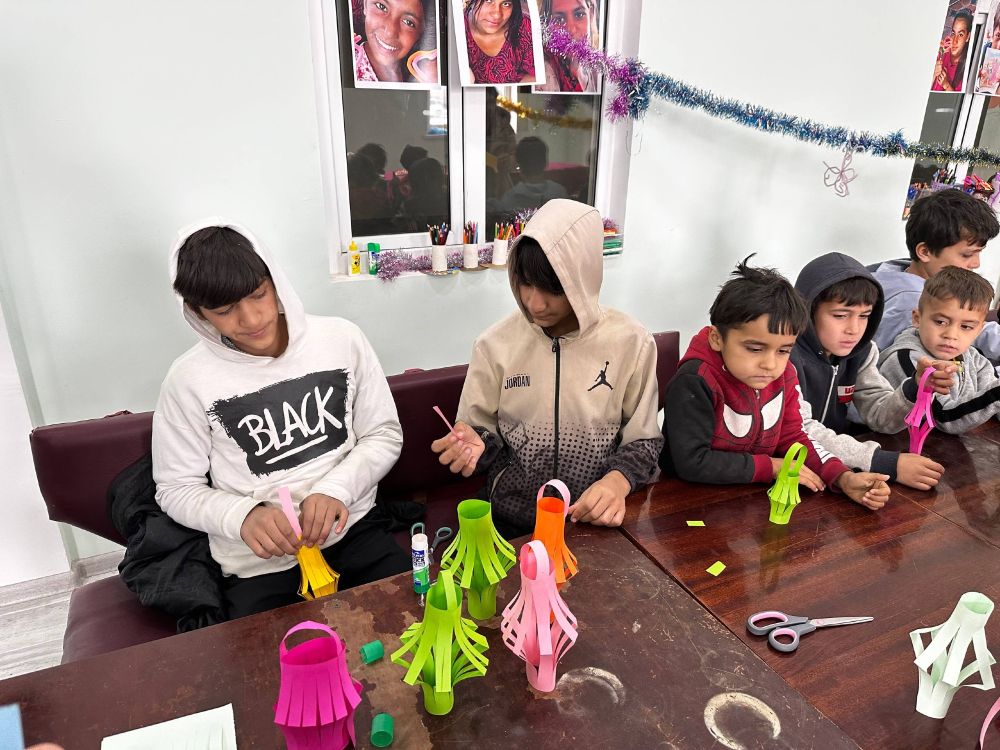
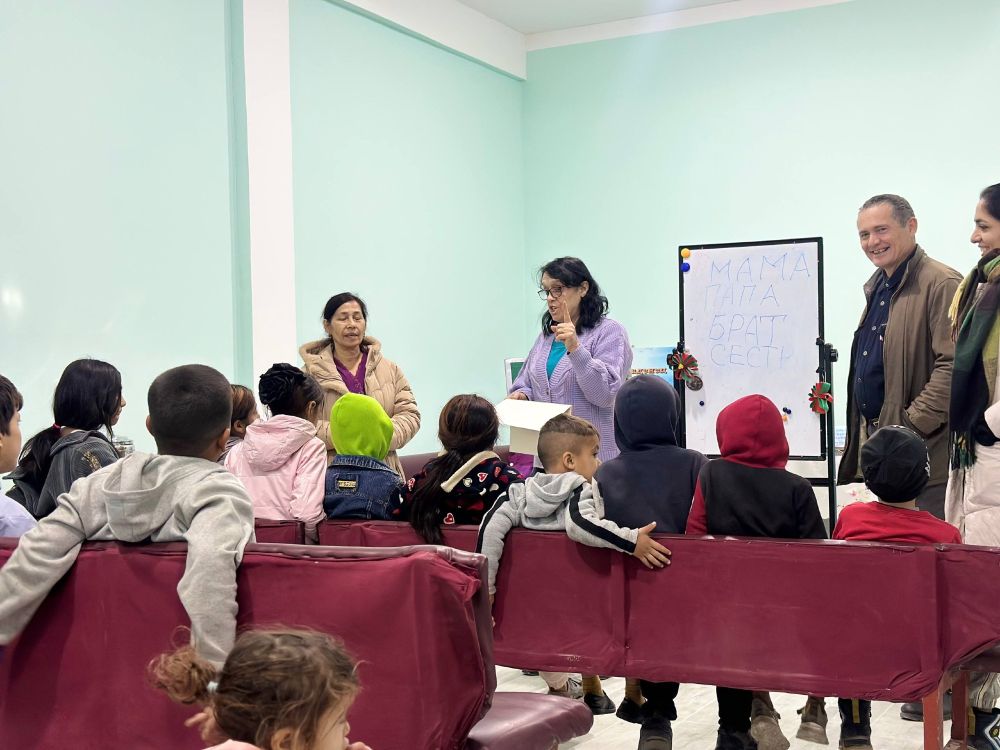
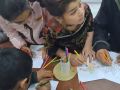
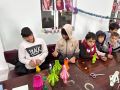
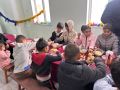
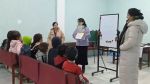
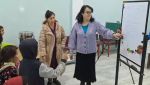
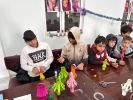
I came from Tashkent with two teenagers who helped me bring 50 gifts to Bukhara. They also helped greatly in conducting the classes on December 19 and 20 with the Mugat children. I am always amazed by the joy with which the children welcome us. The first day consisted of school lessons. The children have very good memories. They already know almost the entire Russian alphabet. They are beginning to read Russian words by syllables. We studied mathematics. We sang with them and made crafts to decorate the classroom as well as the windows of their homes.
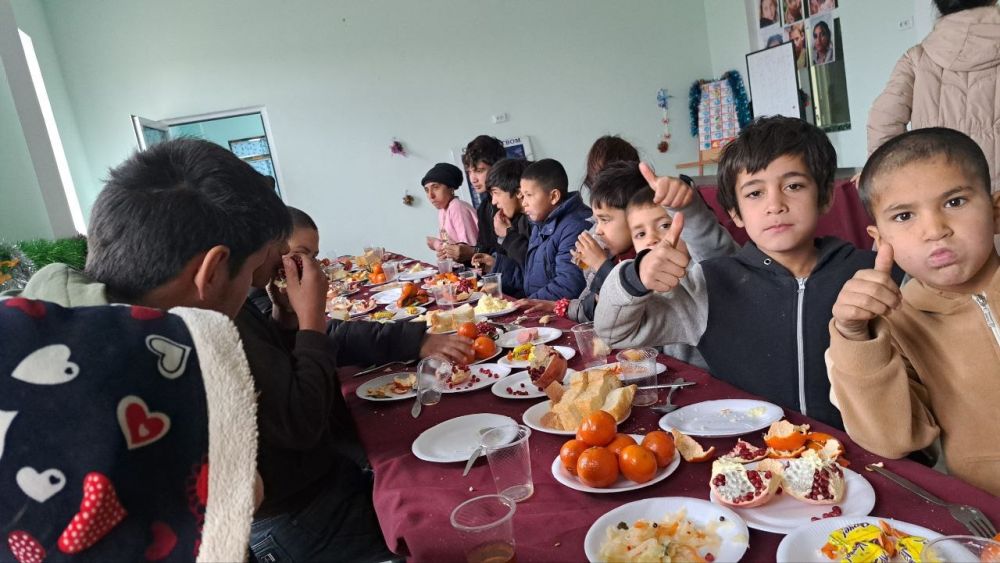
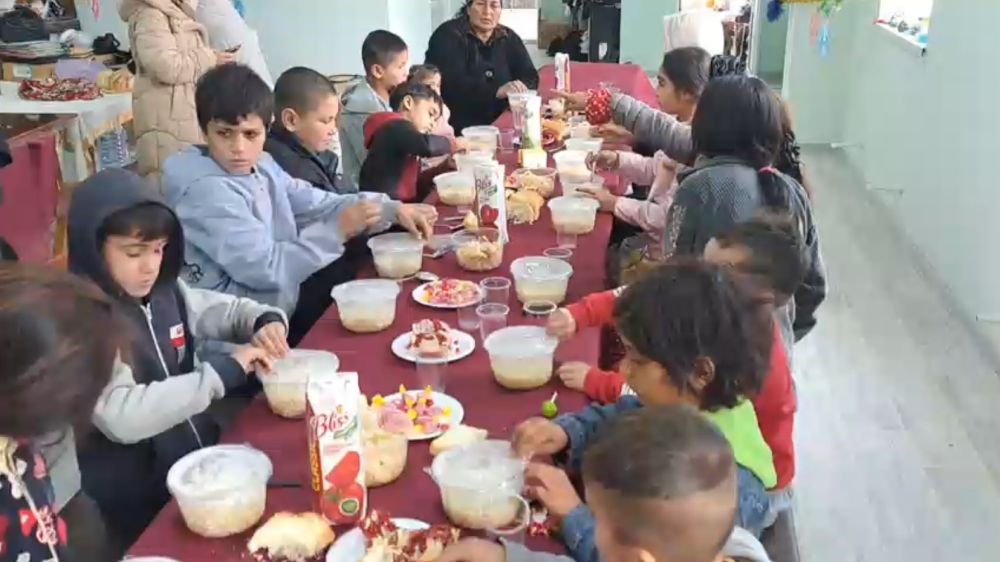
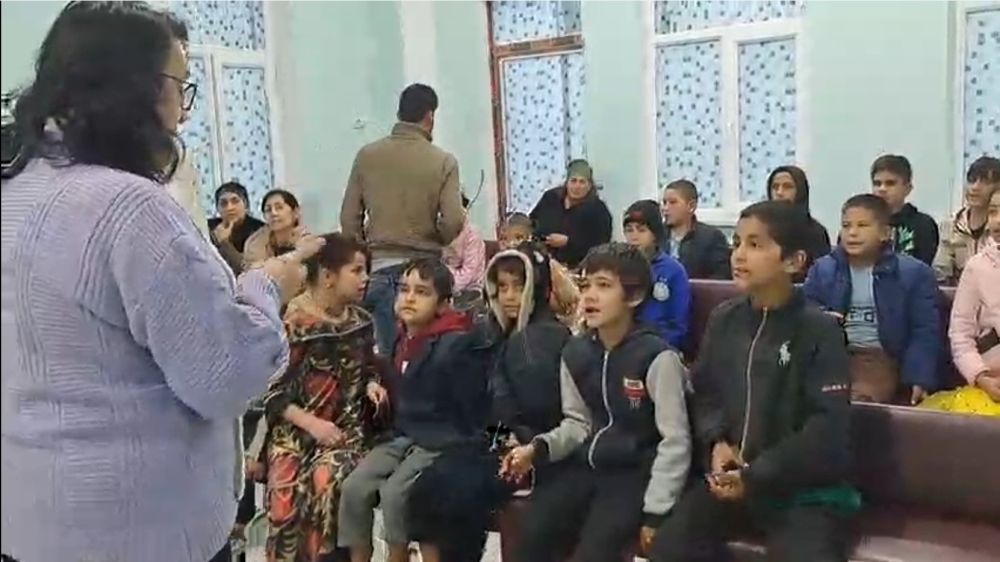
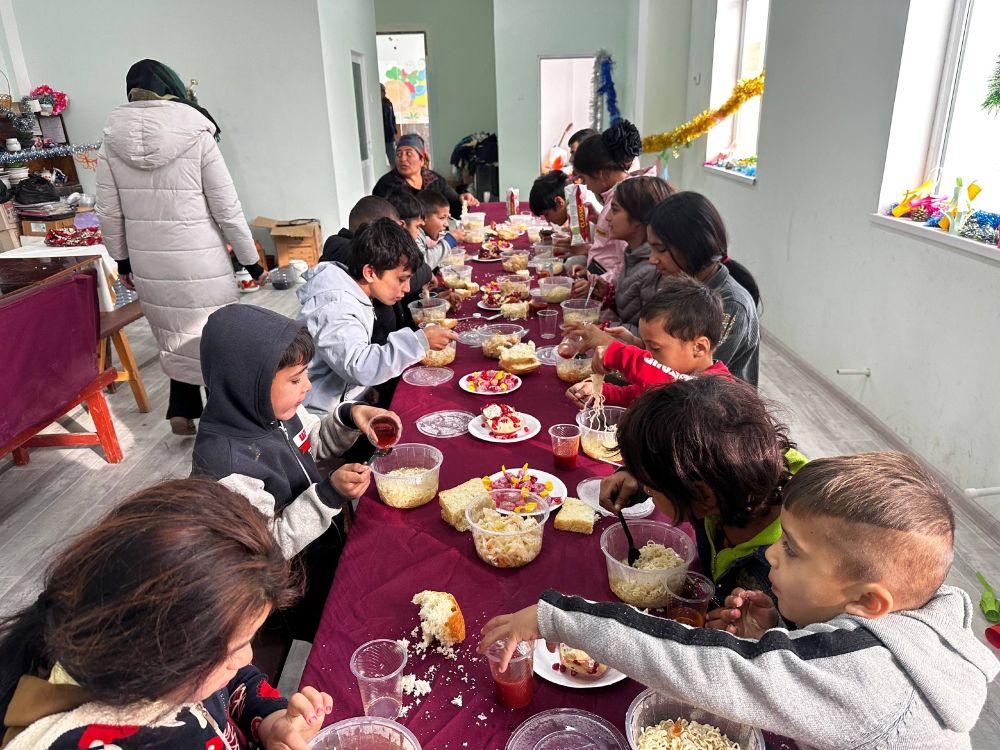
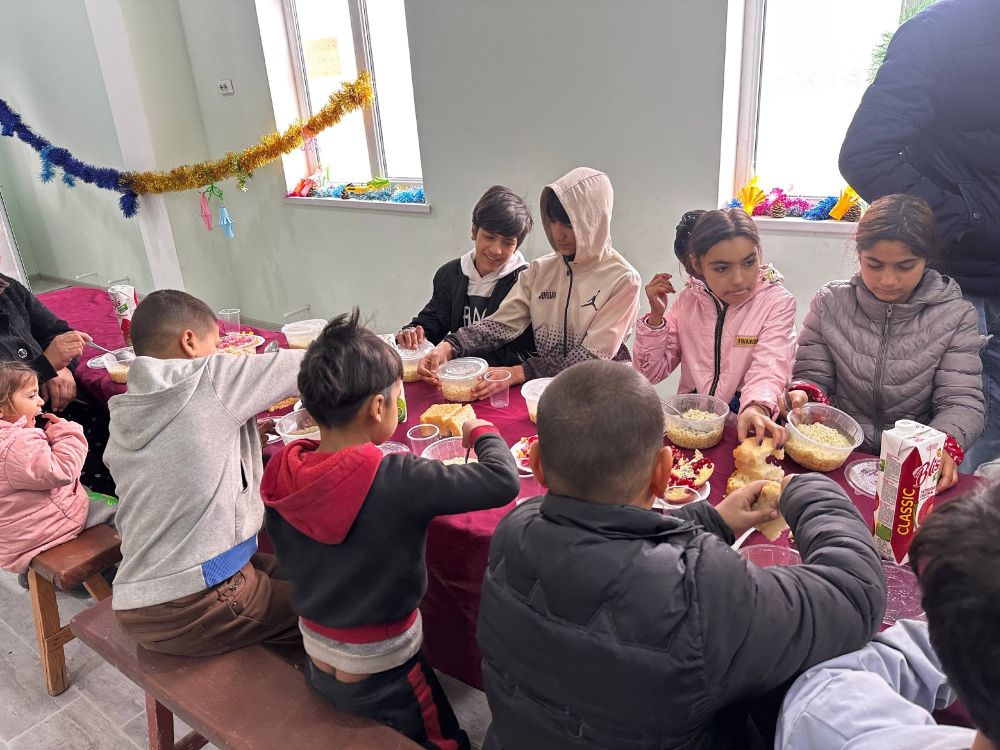
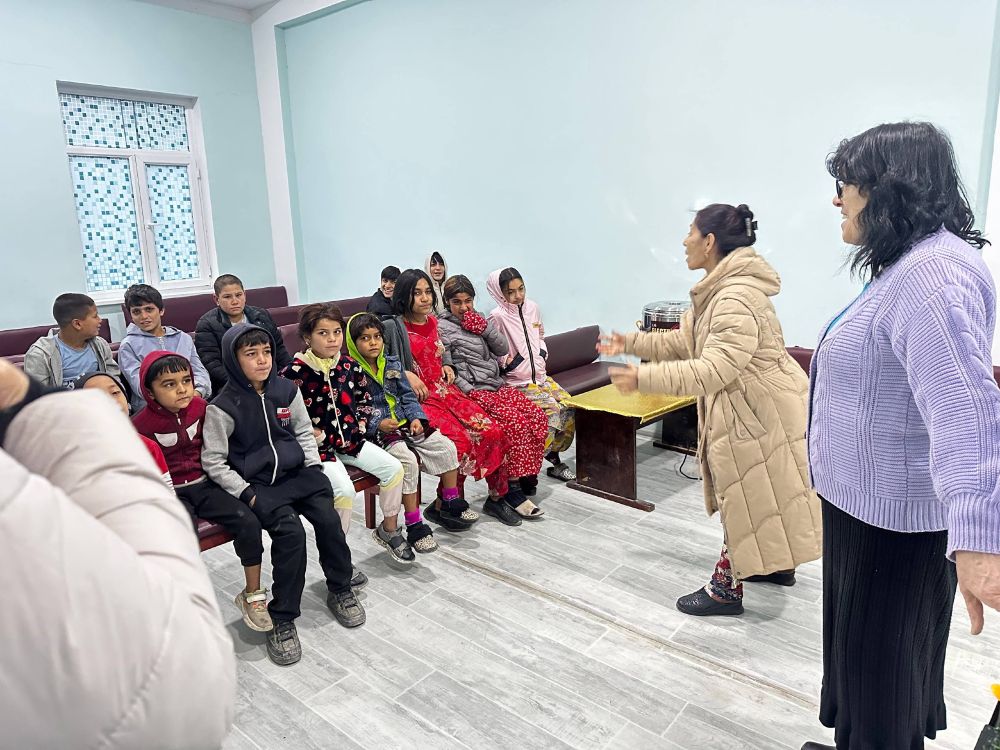
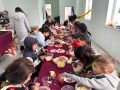
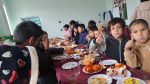
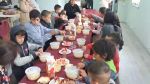
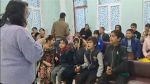
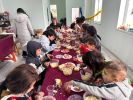
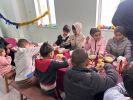
On the second day, December 20, we held a Christmas celebration. First, we fed them a hot lunch. Then we moved to the classroom, and I told them the Christmas story. The children listened with great attention. And when the review questions began, I rejoiced because they really listened and remembered.
When I asked:
‘Why was Jesus born?’ — they joyfully answered,
‘To save us.’
‘Save us from what?’
‘From sin.’
‘Why do we need to be saved?’
‘So that we can get to heaven.’
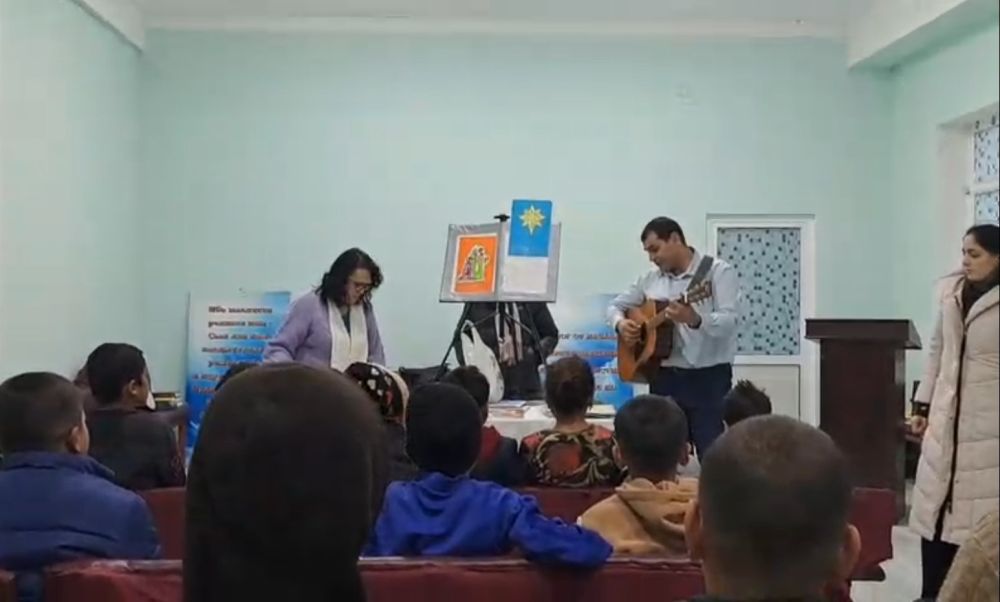
They really love the song ‘How Can I Get to Heaven?’ The children now sing in the Uzbek language, but they also ask us to teach them songs in Russian.
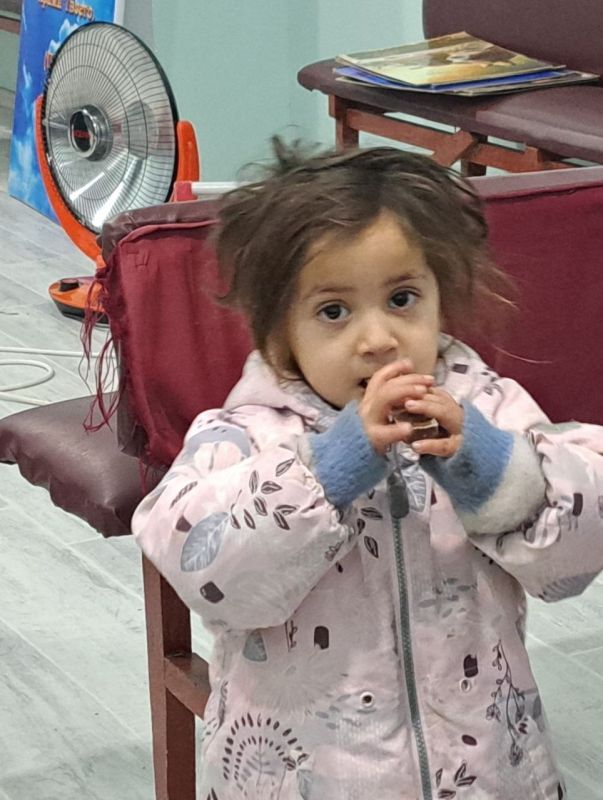
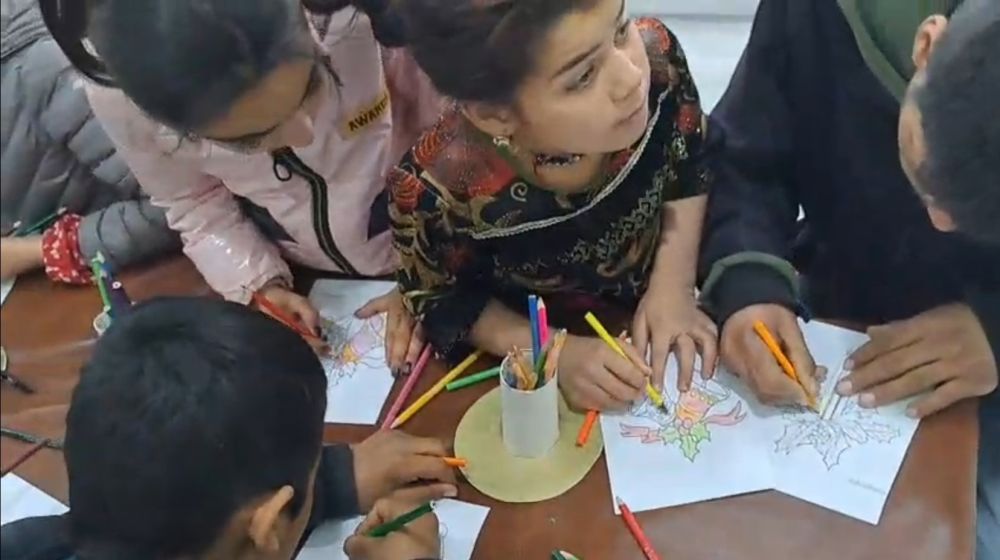
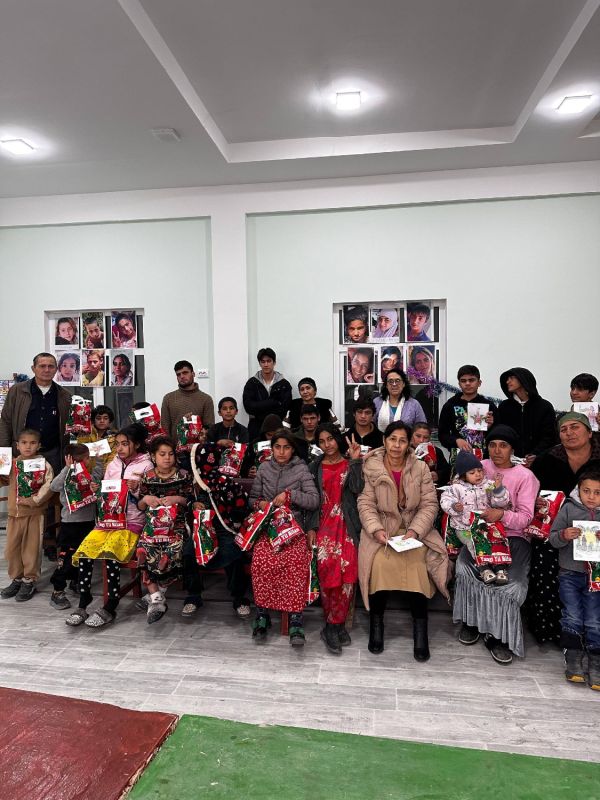
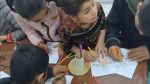
Then the children colored Christmas pictures, reinforcing the lesson. And at the very end, the children received gifts. Brother Shukhrat explained to them that usually gifts are given to people on their birthdays. But today is a special birthday. And the Birthday One Himself is giving them gifts. Glory be to God—He also took care of gifts for the children.”
Please pray for the ongoing ministry among Gypsy children and adults. There will be no results from this ministry without our united prayers, because there is an invisible but fierce war for the souls of people who have been trapped for centuries in deception, occultism, and many vices. Only with the Lord can victory be won in this battle, and victory is possible only through the prayerful intercession of many children of God.
Olga Avetisova
*Dastarkhan is a tablecloth placed on the floor and used as a dining table.